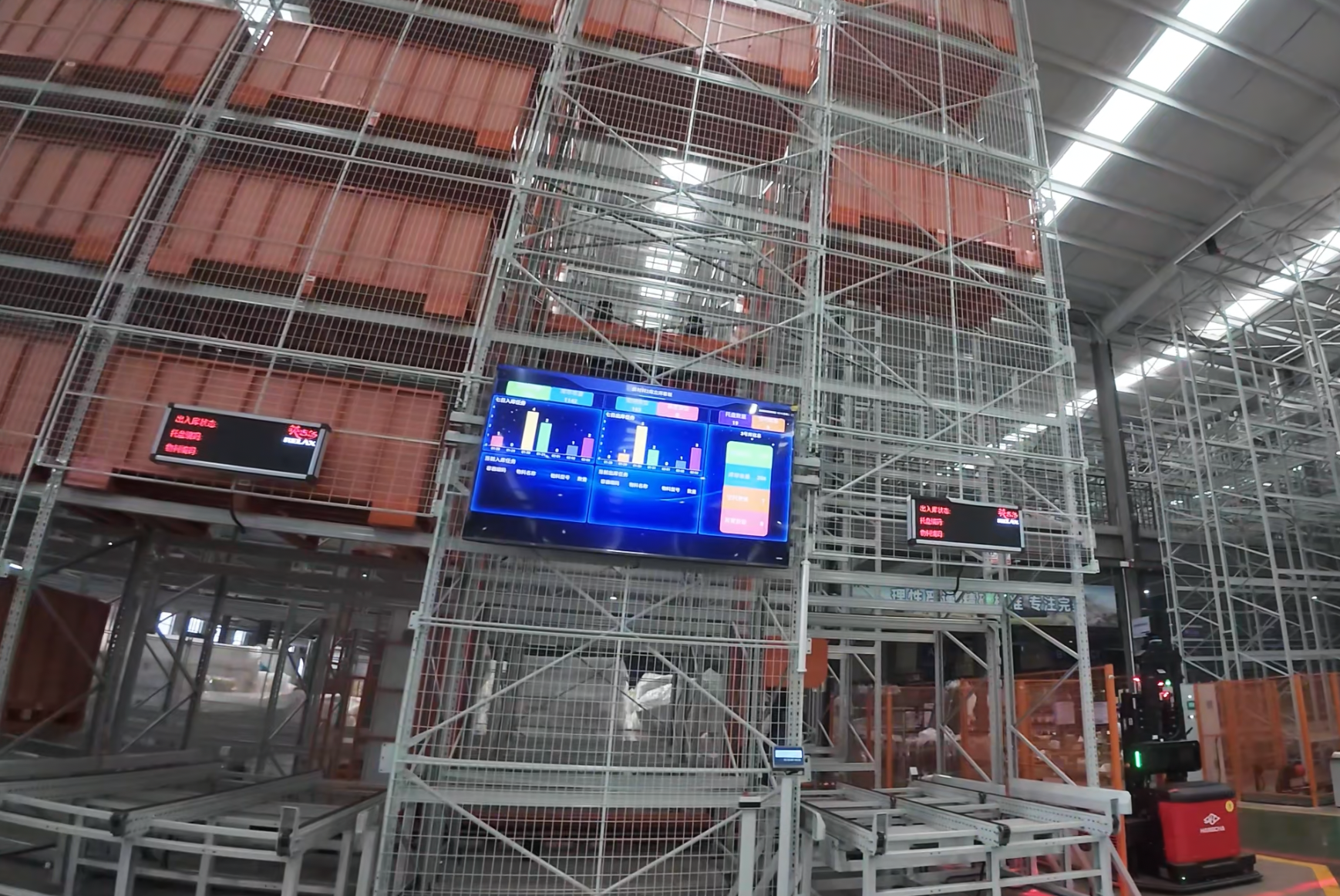
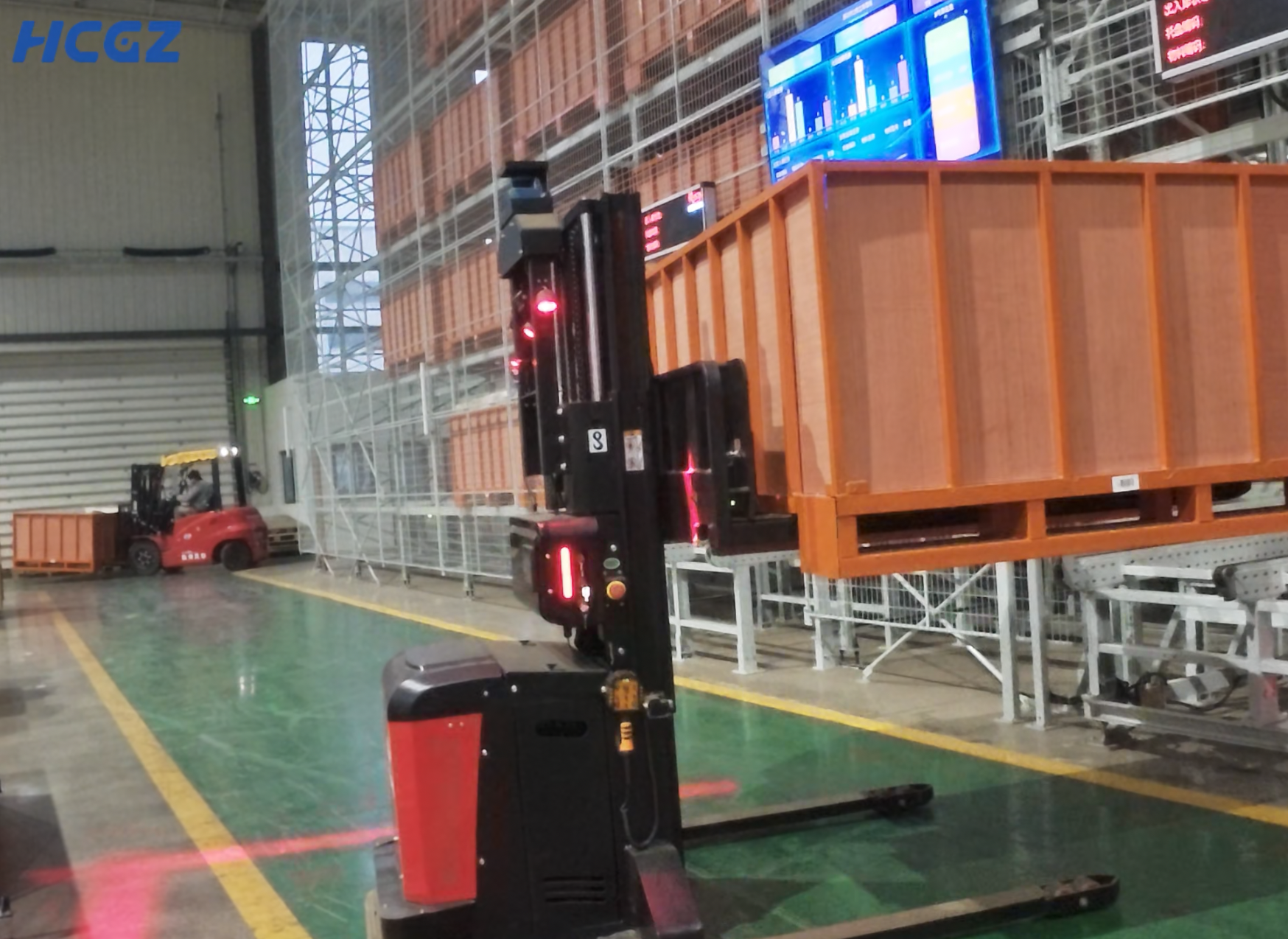
Through a scientifically zoned layout, various materials such as sports equipment and accessories are stored in a centralized manner. High-speed conveyor lines symmetrically arranged on both sides of the automated warehouse create a two-way, interconnected logistics channel, providing efficient flow support for goods entering and leaving the warehouse, increasing space utilization by 3-5 times compared to traditional warehouses. The entire warehousing process is driven by a "dual-brain collaborative" architecture built upon the WMS warehouse management system and the WCS warehouse control system. The WMS, as the core of warehouse management, is responsible for the digital control of the entire process, including warehouse location planning, inventory monitoring, and order processing, enabling accurate traceability of material batches and serial numbers. The WCS, acting as the equipment control center, translates system commands into execution signals for stacker cranes, conveyor lines, and four-way shuttles, coordinating multi-device collaborative operations in real time to ensure that inbound and outbound efficiency is increased by more than 40%, and inventory accuracy reaches 99.9%.